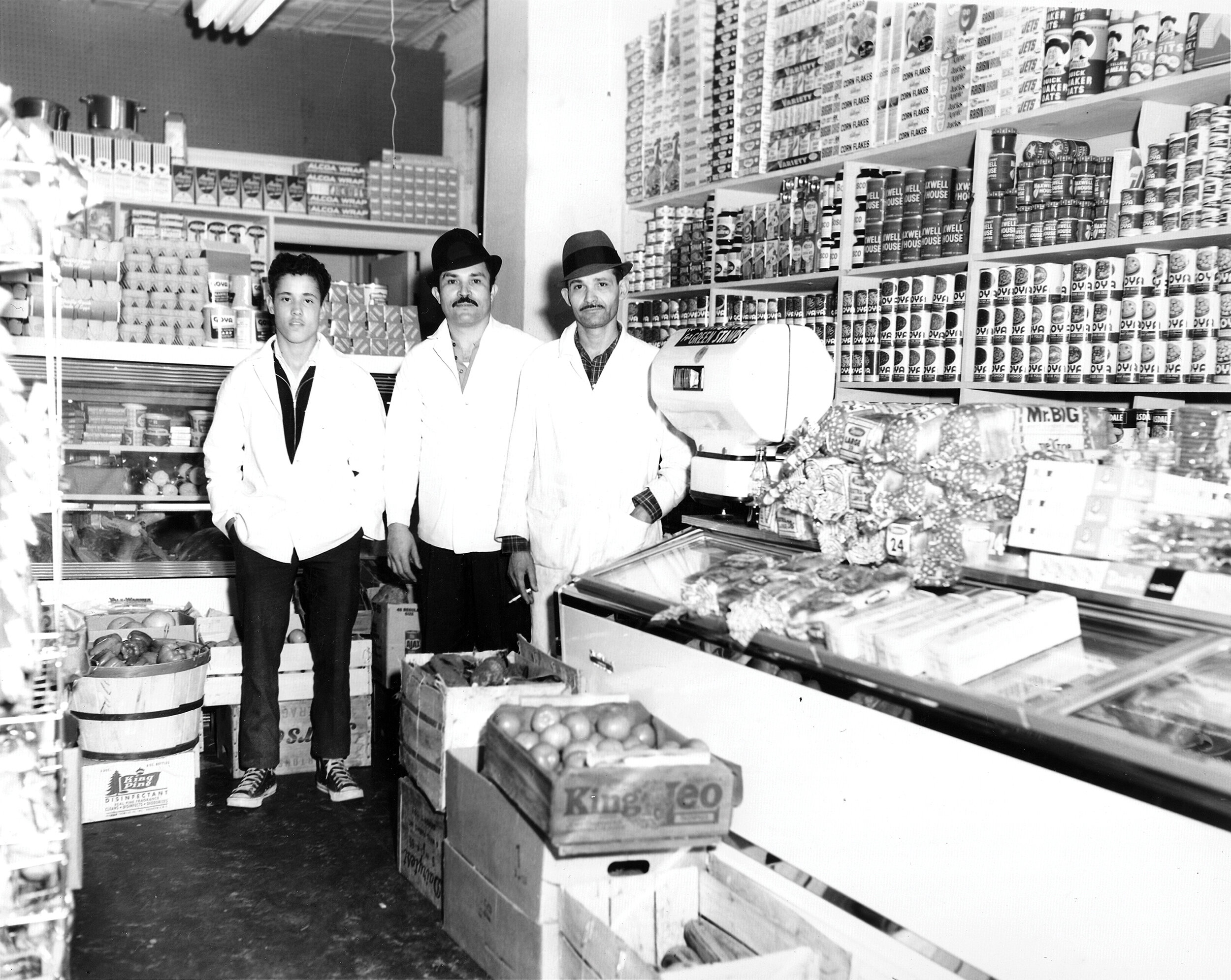
A bodega is a small neighborhood store where New Yorkers buy groceries, drinks, household basics, and often prepared food. Many open early, close late, and carry a compact selection shaped by the people who shop there.
New Yorkers also use “bodega” as a community term. Store licenses and city datasets may classify the same business as a grocery, deli, convenience store, or retail food store.
A Current City Definition
There is no single definition used across every New York agency. A 2026 New York City Council bill offers one recent example. Its proposed definition covers a retail storefront where food for off-site consumption makes up at least half of sales, with two or fewer cash registers and less than 4,000 square feet of space. Stores specializing in one category, such as bakeries, would be excluded.
That language belongs to Int. 0954-2026, which was still in committee as of August 5, 2026. It is useful context, not a universal legal definition.
Where the Word Comes From
“Bodega” is Spanish for a storehouse, cellar, or grocery store, depending on the place and context. Puerto Rican communities helped give the word its familiar New York meaning during the twentieth century. Later generations of owners from the Dominican Republic, Yemen, Korea, Egypt, and many other places made the store format their own.
The word now describes neighborhood stores with different owners, languages, and inventories. What connects them is their small scale and close relationship with nearby customers.
What Bodegas Sell
Most carry everyday items such as milk, bread, eggs, canned food, snacks, drinks, toiletries, and cleaning supplies. Many have a grill or deli counter. A store near a school may stock different items than one beside a subway station or apartment complex.
Hours are part of the service. The neighborhood bodega may be open when a supermarket is closed or too far away. That access matters to people who shop on foot and need only a few items.
How a Bodega Differs From a Chain
A bodega is independently operated and shaped by its block. The owner decides what fits on the shelves, how late to stay open, and which requests from regular customers are worth stocking.
A chain convenience store has centralized branding and purchasing. A bodega can fill a similar practical need, but its identity comes from the people running it and the neighborhood around it.
Why Some Bodegas Have Cats
Food storage can attract mice. Some owners keep cats because a predator's scent and presence may discourage them. The cat may also become familiar to customers and staff.
Cats do not replace sanitation or professional pest control, and current food rules prohibit them inside retail food stores. Learn more in What Is a Bodega Cat? and Are Bodega Cats Legal in NYC?.
How Many Bodegas Are in NYC?
There is no dependable, current count of bodegas alone. The city's Food Forward NYC report says there are about 14,000 grocery stores and bodegas combined. That figure includes both categories.
Counts vary because the word people use for a store may differ from its official classification. Any bodega-only number should identify its source and definition.
Bodega Cats of New York is available for preorder now and publishes November 3, 2026.
More Culture stories
On August 29 and 30, Reddit’s first IRL pop-up will feature r/bodegacats inside a bodega-themed storefront at 213 Bowery. Entry is free with a Reddit account.
A Williamsburg bodega cat gets custom furniture, built around his spine.
A new comedy pilot follows a young Dominican bodega worker through one coveted shift change and a store full of people with opinions.
Published August 21, 2025
Back to Stories