A public record, built cat by cat.
BCNY publishes profiles and field notes that keep each cat connected to the store and photographer. The record is corrected when owners, workers, or contributors provide better information.
Read the storiesPreorders are open. The book publishes November 3, 2026.
Preorder the BookBCNY documents the cats who live in New York's bodegas, along with the people and stores around them.
Before BCNY had a name, Dan Rimada kept walking into New York bodegas and photographing the cats he met on his iPhone.
Dan expected a small personal archive. Then New Yorkers started sending him photos of the cats in their own neighborhoods. People wanted their cat, their store, and their corner of the city included.
In 2022, Bodega Cats of New York became a brand. Since then, BCNY has grown through store visits, conversations with owners and workers, contributed photographs, and stories from all five boroughs. The work now includes this website, the Instagram account, a 240-page book, and an advocacy campaign.
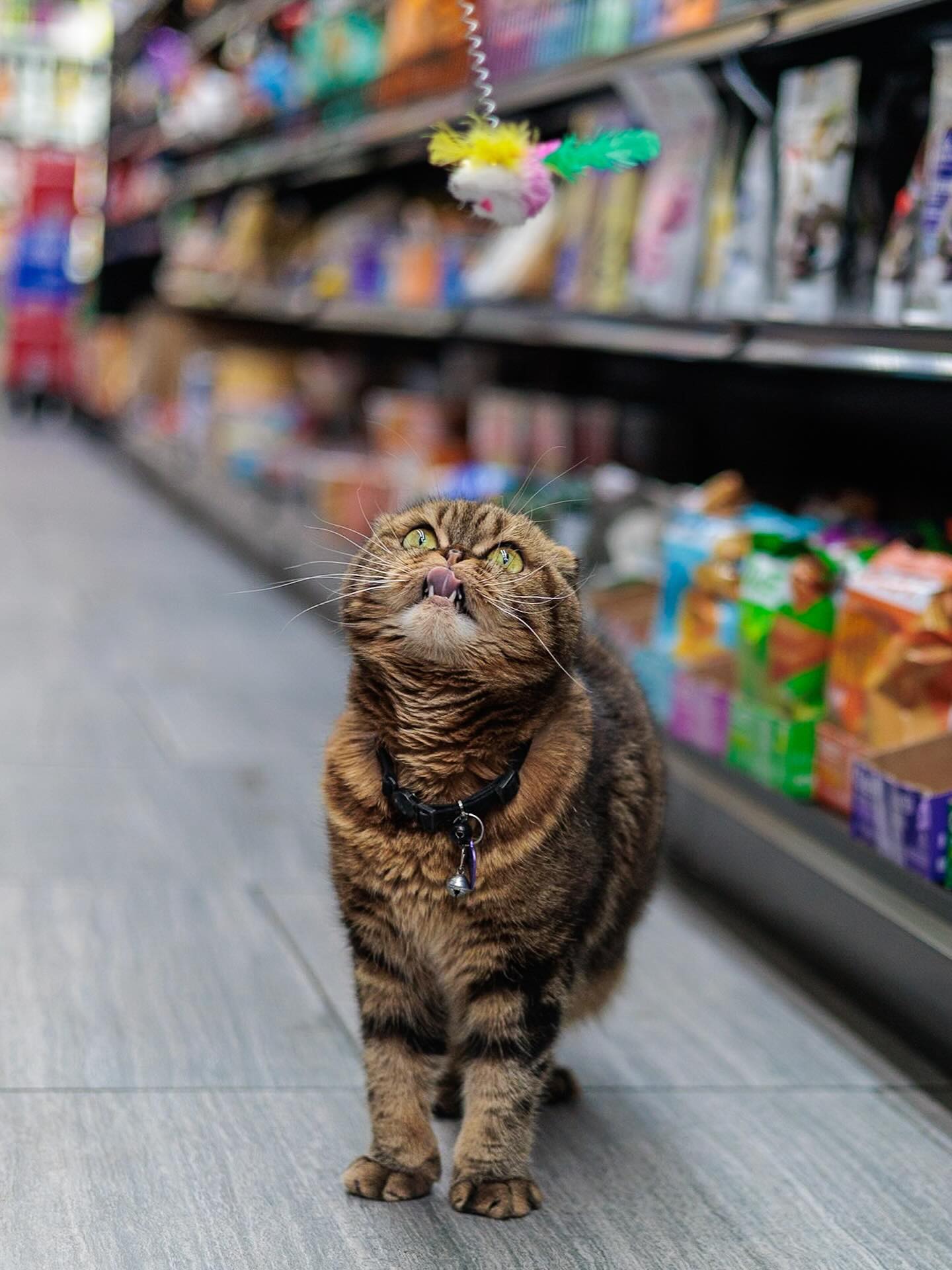
“People were showing me their cats because they wanted them seen. They wanted their corner of New York included.”
A good bodega cat story starts with permission and the people who know the cat. The photograph matters, but it is one part of the record.
We ask an owner or worker before photographing a cat or publishing anything about the store.
We record the cat's name and nicknames, where they sleep, how they arrived, who feeds them, and what regulars know about them.
The store and the people remain in the story. Every photograph stays attached to its confirmed photographer.
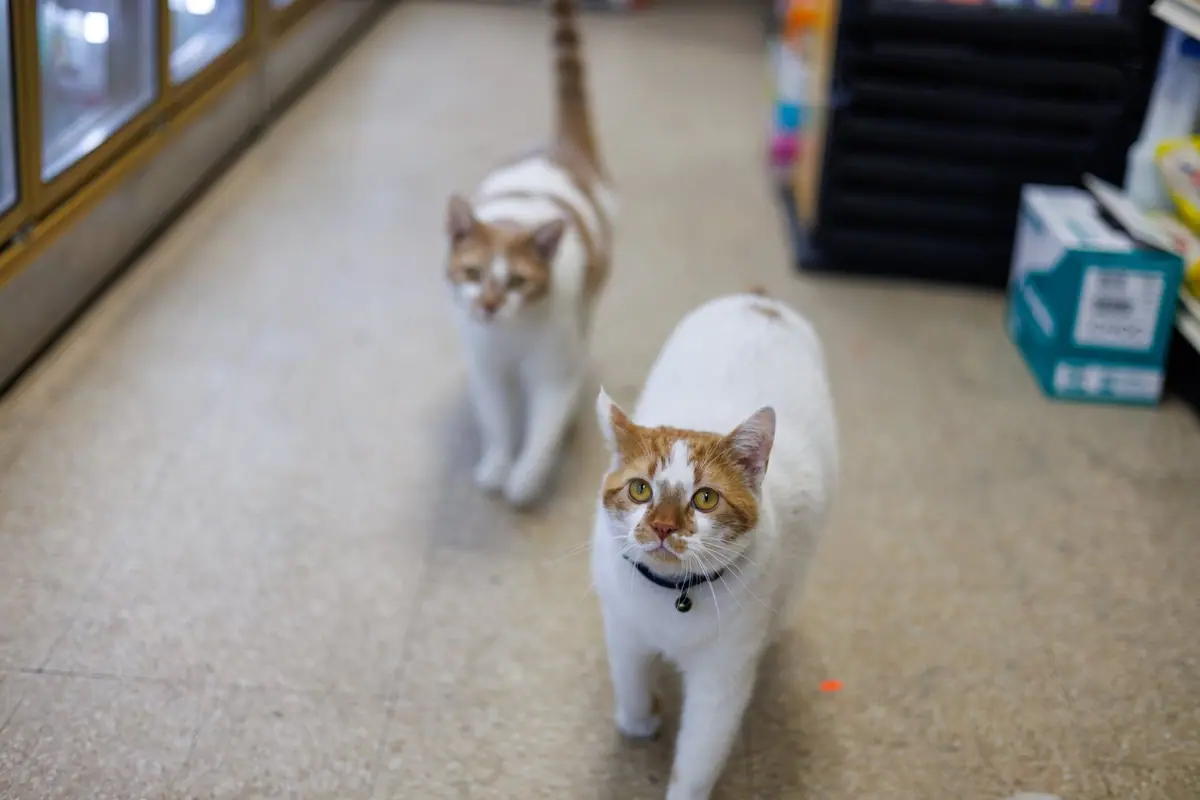
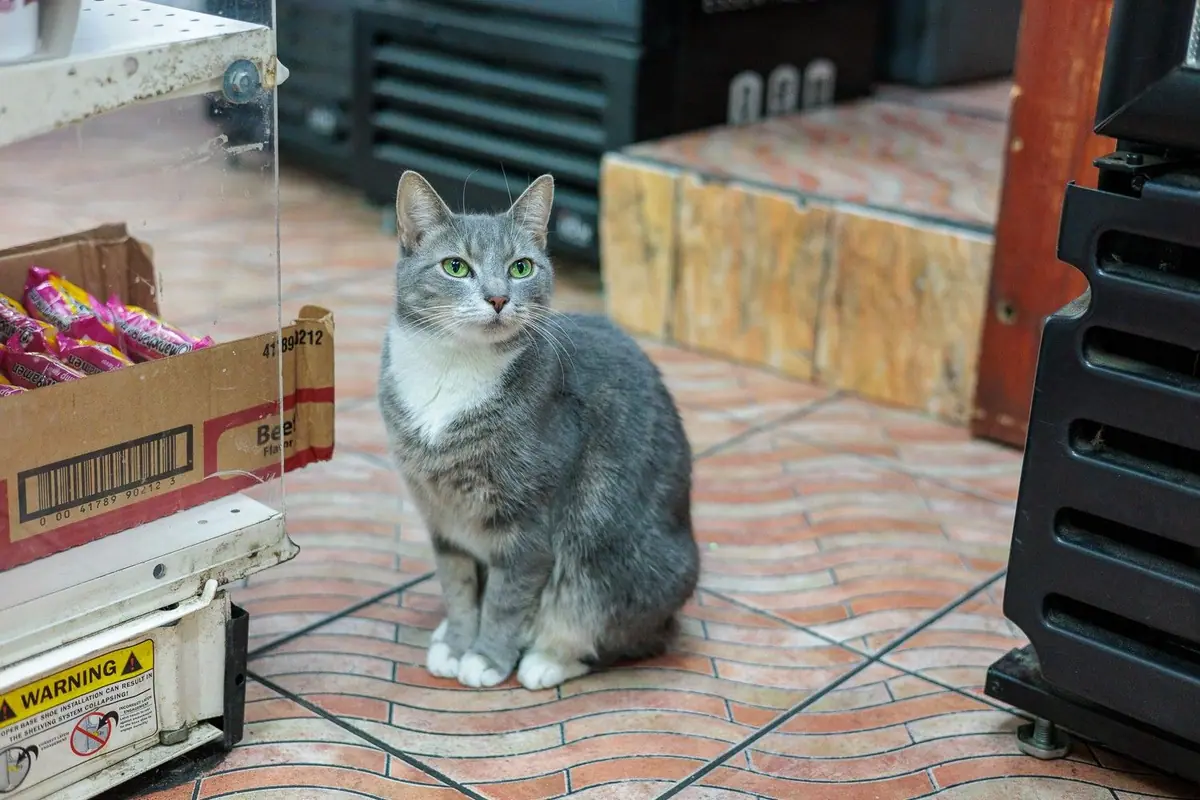
BCNY publishes profiles and field notes that keep each cat connected to the store and photographer. The record is corrected when owners, workers, or contributors provide better information.
Read the storiesThe 240-page hardcover brings cats from all five boroughs into one edited record. Written by Dan Rimada, with photography by Gulce Kilkis, it will be published November 3, 2026 by Epic Ink, an imprint of Quarto.
See the bookConversations in stores kept returning to the gap between the law and the way bodega cats already live. Two bills are now in committee. Neither bill has passed yet.
Read the campaignDan founded Bodega Cats of New York in 2022. He visits stores, talks with owners and workers, writes the stories, edits the archive, and leads BCNY's advocacy work.
He is the author of Bodega Cats of New York, a 240-page nonfiction book about New York City's bodega cats. The book pairs his writing with photography by Gulce Kilkis.
A petition started by BCNY has drawn 14,000+ signatures. Bodega cat protections are now before the New York City Council and New York State Assembly. Both bills are in committee. Neither bill has passed yet.
Dan lives in Brooklyn with Cocoa and Charles, his two cats. They are not bodega cats and would like that noted.
Meet them by name in the archive, or see how years of store visits became a book.