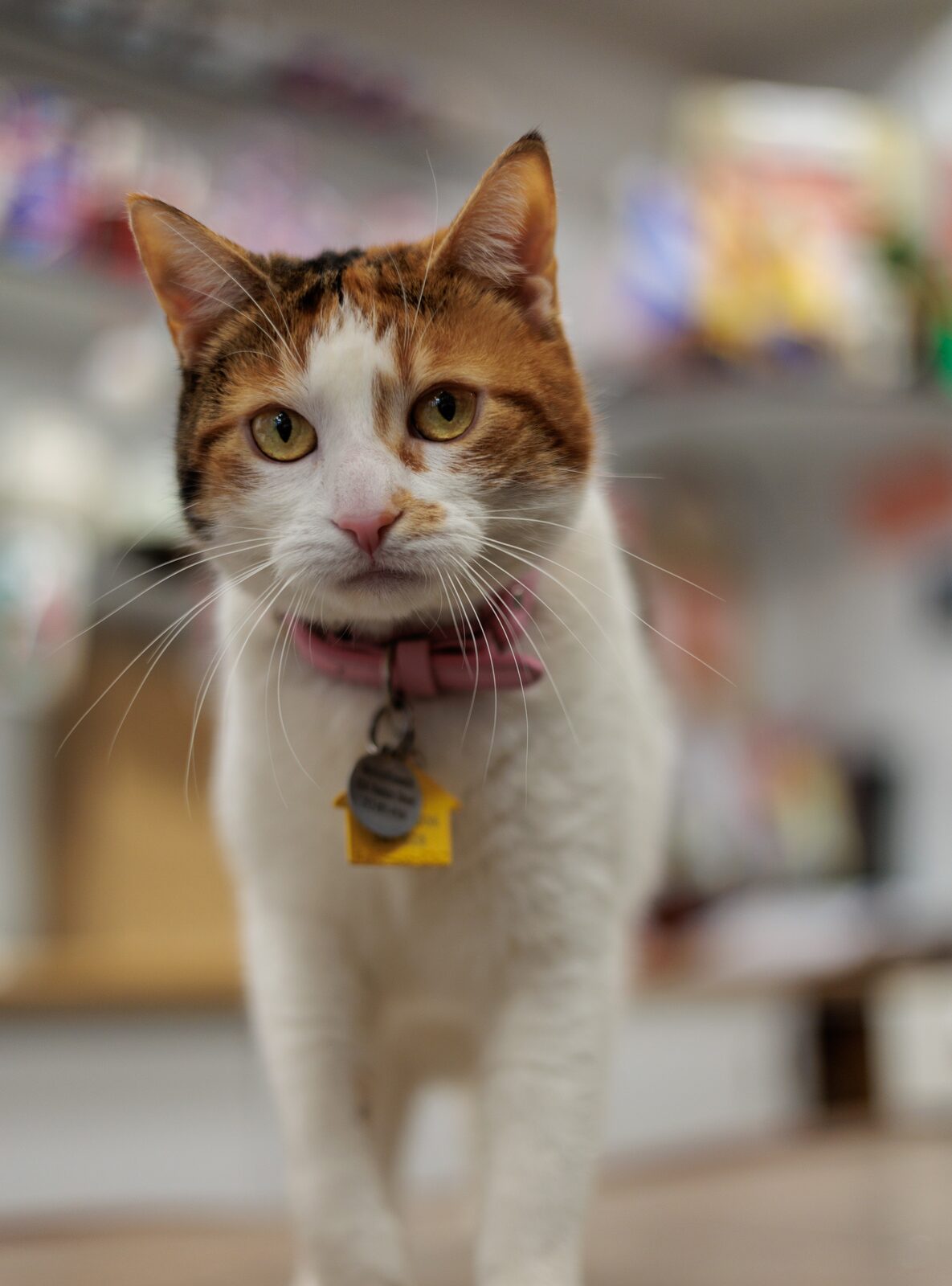
Bodega cats sit by registers, sleep on boxes, and watch the door while stores operate around them. Current food rules can still treat a healthy, vaccinated cat as a violation simply because the cat is inside a food business.
Legalization should create clear rules for cats already living in stores. Owners need practical care standards, and cats whose needs are not being met need a direct path to help.
Care standards
A statewide bill introduced by Assembly Member Linda Rosenthal would require standards for spay and neuter, vaccinations, fresh water, suitable food, and a quiet place where the cat can get away from store activity.
Care already varies. Some owners know the cat's food, sleeping spot, veterinary history, and favorite regulars. Other cats are not fixed, have never seen a veterinarian, or are kept only for pest control.
A health-code fine does not vaccinate the cat, connect the owner with low-cost care, or help a rescue group intervene. Written care standards would give owners, inspectors, veterinarians, and rescue groups one set of expectations.
Clear rules for owners and rescue groups
Store owners need to know what responsible care requires: vaccinations, spay or neuter, food, water, clean conditions, and a safe place to rest. When those basics are missing, the response should address the cat's care as well as the store violation.
The current system can treat an owner with veterinary records the same as an owner providing no care. Clear standards would let inspectors distinguish those situations and tell rescue groups when help is needed.
Affordable veterinary care
New York lawmakers have also considered proposals involving pet-food sales tax and tax credits for certain pet expenses. Veterinary visits, vaccines, dental work, medication, food, and litter add up quickly for households and small store owners.
Care standards need support behind them. That includes low-cost veterinary care, spay and neuter access, vaccination programs, and information in the languages store owners use.
Clearer pet insurance information
Coverage, exclusions, preventive care, and reimbursement rules vary across pet insurance plans. Many plans also require customers to pay the veterinarian first and wait for reimbursement.
People should be able to understand those terms before an emergency. Store owners caring for bodega cats face the same costs and decisions as anyone responsible for a cat at home.
A public record of care
Bodega Cats of New York records each cat with the store, block, and people who know its routine. That record also shows where care is strong and where a cat needs help.
Some owners already provide regular veterinary care. Rescue groups often cover gaps for other cats. Clear standards would make those differences visible and give everyone involved a practical way to respond.
Related stories
BCNY has observed healthy, well-supported cats as well as serious care gaps across the city's bodegas. Current programs and bills could change the support available.
This week I sat down with the executive director of the City Council's Animal Welfare Caucus to talk about Int. 0830, the bodega cat bill.
Legal care standards would give store owners, inspectors, veterinarians, and rescue groups one set of expectations for bodega cats.
Published June 27, 2026
Back to Stories