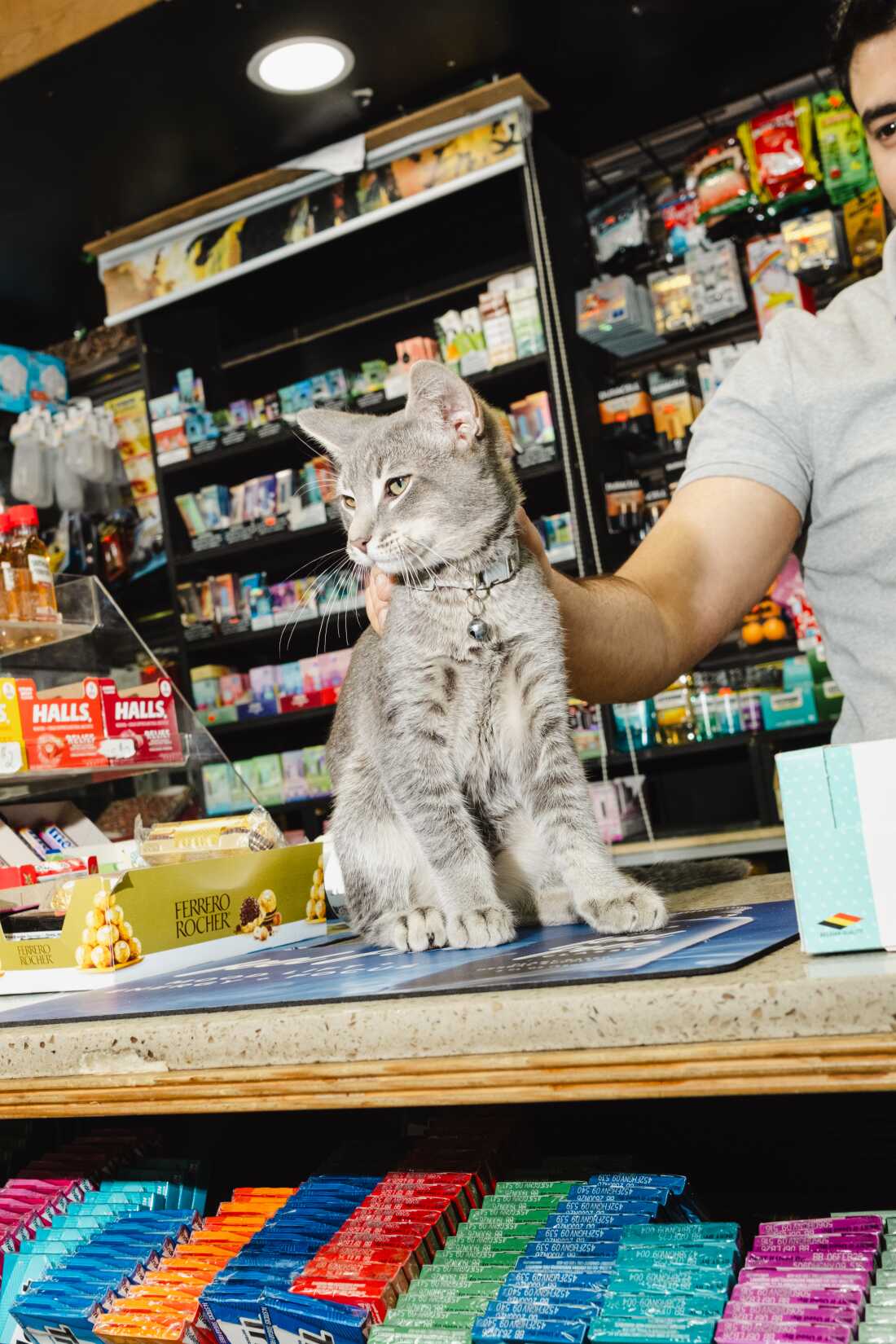
Bodega cats already live in stores. Some have vet records, clean food, and a safe place to sleep. Others need basic care, spay/neuter support, or rescue intervention.
The current law does not account for that range. It treats the cat's presence as the problem, while offering no care standard for the cat.
Gray Areas Hide Problems
Store owners have no official care checklist or clear way to ask for help without risking a fine. Rescue groups, inspectors, veterinarians, and owners do not have one set of expectations to work from.
So everything depends on discretion. One inspector looks the other way. Another writes a violation. One owner keeps vaccination records. Another has no idea where to start. One rescue worker builds a relationship with a shop. Another walks into a situation too late.
What Regulation Can Do
New York's regulated cannabis market offers one comparison. It can require lab testing, labeling, contaminant screening, recalls, age restrictions, and enforcement against sellers who do not follow the rules.
New York's Office of Cannabis Management now oversees permitted cannabis labs and testing standards. Its consumer guidance explains that regulated cannabis products are tested for things like heavy metals, pesticides, microbial impurities, and other contaminants before they reach consumers. Licensed products also carry labels or QR codes that connect buyers to testing information.
The illegal market still exists, but the regulated market gives inspectors standards to enforce when a product or seller falls short.
Syringe Service Programs
Syringe service programs offer a public-health comparison. They respond to a situation that already exists by making it safer and connecting people with care.
The CDC describes syringe service programs as community prevention programs that increase access to harm reduction services, provide sterile syringes and safe disposal, connect people to testing and vaccination, and link people to treatment. CDC says these programs are associated with an estimated 50 percent reduction in HIV and hepatitis C incidence and do not increase illegal drug use or crime.
These programs respond to an existing condition with safer practices and connections to care.
New York Food Cart Rules
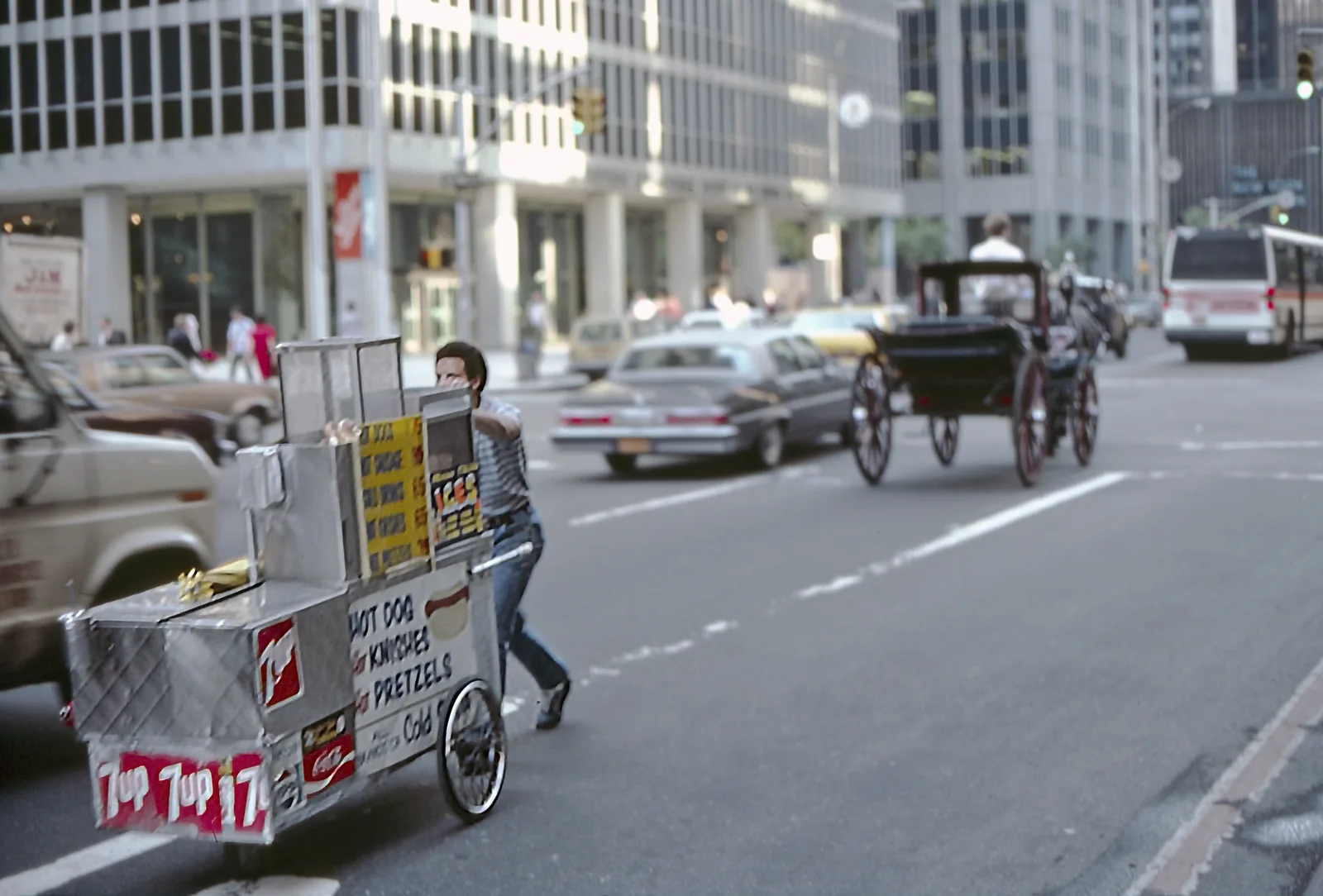
The city licenses mobile food vendors, requires food protection training, issues permits for carts and trucks, and sets rules for who has to be on site when a unit is operating. The permit system gives the city a way to inspect vendors and enforce those rules.
Standards for Bodega Cats
Because bodega cats already live in New York's retail food stores, the law should require vet care, vaccination, spay/neuter, clean food and water, a safe cat zone, and a basic standard of treatment.
It should also provide veterinary access, rescue support, and a way to intervene when a cat is sick, unfixed, unsafe, or ignored.
What the Current Bills Would Do
At the city level, Int. 0830-2026 would remove the local barrier that treats cats in retail food stores as a violation. It would also create voluntary free vaccination and spay/neuter programs for cats living in retail food stores.
The Council's summary says state action is still needed because New York State Department of Agriculture and Markets rules also apply.
At the state level, A08341 would require the Department of Agriculture and Markets to establish health and safety guidelines for cats living in retail food stores. The bill specifically points to regular veterinary checkups and preventative care, vaccinations, mandatory spay/neuter, proper nutrition, fresh water, safe cat zones away from food preparation and storage areas, and a clean sanitary environment.
Legalization Makes Rescue Work Easier
Rescue groups get the call when a cat is sick, pregnant, injured, dumped, or stuck in a store where nobody knows what to do.
If a store owner is afraid that asking for help will create a violation, they may wait. If there is no official standard, a rescue worker has to negotiate from scratch. If there is no program, every vaccine, transport, trap, appointment, and follow-up depends on personal relationships and emergency fundraising.
Legalization would give owners and rescue groups a shared care standard while preserving the rescue work already happening.
The Practical Difference
The current system leaves the cats technically illegal and care rules undefined. A regulated system would create a legal path with veterinary care, spay/neuter, safe spaces, and rescue support.
What You Can Do
Support Int. 0830-2026 at the city level. It is the active City Council bill focused on cats in retail food stores.
Support A08341 at the state level. It is the bill that would require health and safety guidelines for cats living in retail food stores.
Share the petition and both bills with people who want a legal path and enforceable care standards for bodega cats.
Sources
- New York City Council: Int. 0830-2026
- New York State Senate: A08341
- New York Office of Cannabis Management: Cannabis Laboratories
- New York Office of Cannabis Management: How to Read a Certificate of Analysis
- CDC: Strengthening Syringe Services Programs
- NYC Health: Mobile Food Vendors
Related stories
This week I sat down with the executive director of the City Council's Animal Welfare Caucus to talk about Int. 0830, the bodega cat bill.
New York needs clear care standards, affordable veterinary support, and a legal path for cats already living in stores.
BCNY has observed healthy, well-supported cats as well as serious care gaps across the city's bodegas. Current programs and bills could change the support available.
Published June 25, 2026
Back to Stories